Thursday, 27 September 2012


Wednesday, 29 August 2012
Kakariki Kiwi in the Junior School
Kakariki Kiwi

Room 33 have introduced a new environmentally friendly programme in the junior school to
encourage children to help sustain their surrounding environment, at school,
home and in their wider community.
There are 4 whole class levels to work towards- Green, bronze, silver and gold.
Children are encouraged to take action alongside their teacher, classmates,
parents, extended family and friends.
Green- This stage is introducing
children to environmentally friendly ways of managing their surrounding
classroom environment e.g. monitoring electricity use, water consumption and
recycling rubbish. This stage will be
teacher directed and monitored.
Bronze-
This
stage is building on children’s current knowledge of their direct classroom
environment. It is encouraging them to think about other classes around the
school and managing the entire junior campus e.g. making sure lights are turned
off when there is nobody in a room, teaching year 0 children where to recycle
their rubbish, making sure classes have Enviro monitors. This stage can be
monitored by class discussions/reflections and photographs.
Silver-
This
stage is encouraging children to take their knowledge about recycling,
electricity and water home to teach their family ways to manage these elements.
This stage can be monitored by discussion, photo evidence and parent/ teacher
communication or a wall display.
Gold- This stage is building on silver
level- however children need to start taking their message to extended family
and friends and the wider community e.g. a family beach clean-up, designing and
making posters to put up locally. This stage can once again be monitored by
photo evidence, discussion and parent/ teacher communication.
Tuesday, 28 August 2012
Litterless Lunches
This term, the Year 3 classes looked at ways we could reduce the amount of litter being produced by our school. We decided to introduce a litterless lunch competition. Each Thursday, Year 3 children inspect lunchboxes around the school and award certificates to the junior and senior class with the highest percentage of litterless lunches.
There have been some big improvement in some classes, but we still have a long way to go.
There have been some big improvement in some classes, but we still have a long way to go.
 |
Here are some examples of litterless lunches
We also made some posters to get our message across.
|
Monday, 20 August 2012
Visitor from Treescape
We had Jo Harris from
treescape come in and share some information about an area that has being set
up that is going to be safe for Kiwi’s to be introduced into. We learnt that there is a
lot to consider when setting up these areas. They must be as close to the birds’
natural habitat as possible and area where no pests and predators can come in.


We were really happy to hear
about this work being done because we now know that our Native New Zealand
endangered birds are being helped in some small way.
Visit to the Zoo
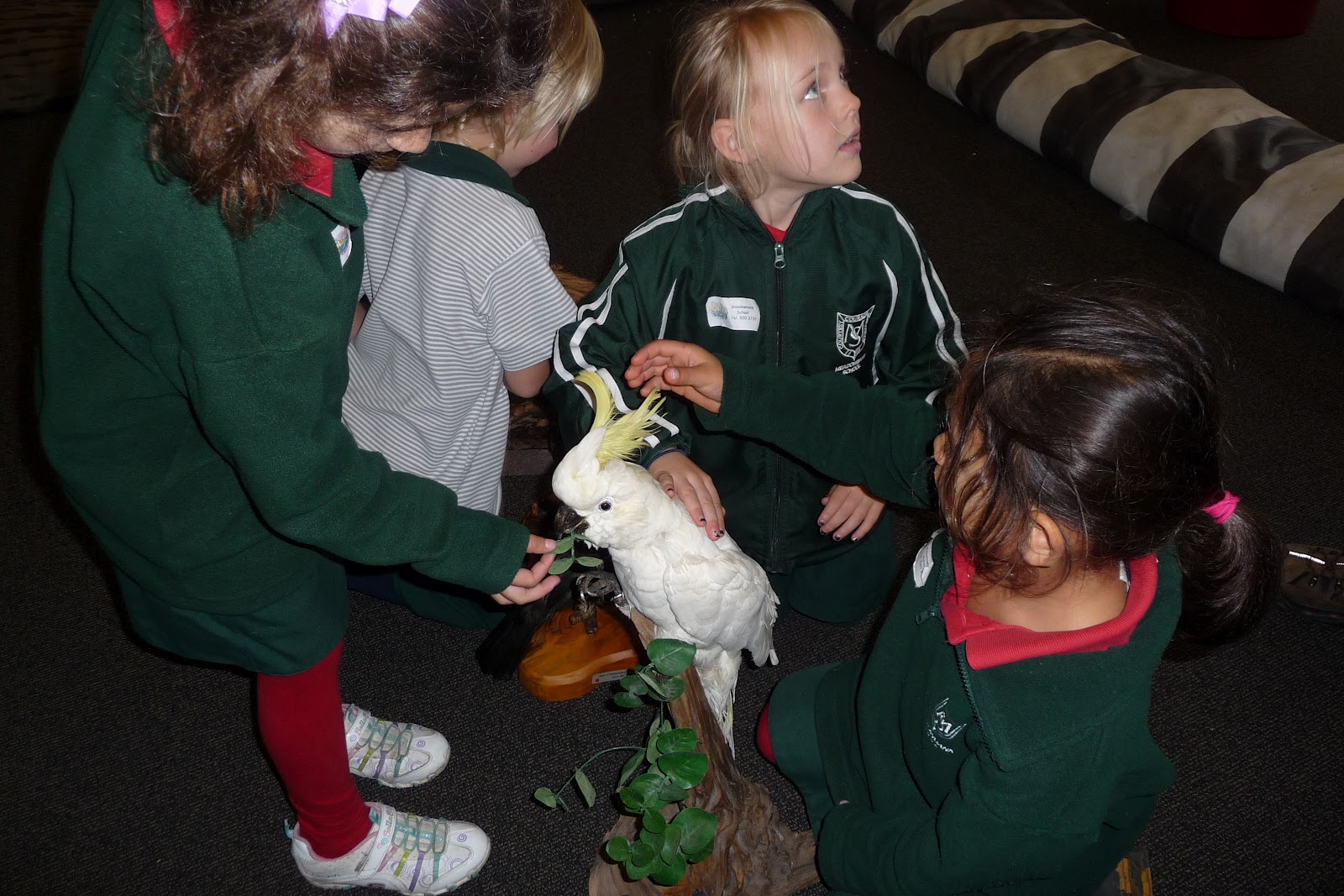
We went on a year 1 trip to the zoo and learnt more about the
endangered Native birds we have in New Zealand.
We got to touch and look closely at some of the worst predators to our
Native New Zealand birds. We learnt that the worst predator is the dog.




We also found out that there are a lot more
endangered Native New Zealand birds than we realized and that there are some
special people in New
Zealand making areas that are fenced off and
safe for them to be in their natural habitat without the danger of being killed
and having their eggs eaten.
Wednesday, 8 August 2012
Stormwater Drains
Sally from Watercare visited the Year 3 classes and showed us how pollutants can enter our waterways through the stormwater drains. Some common pollutants that get into drains are: detergents; paint; food; oil; dirt and rubbish. Stormwater drains empty straight into rivers, lakes and the sea and any pollution can damage the marine environment.


Subscribe to:
Posts (Atom)